⚑ OCTOBER 2026 SUPERSTORE DEALS: Up to 75% Off Automatic NH35 Divers & Choice Day Flash Sales
πŸ”
⏱️ Horology Buyer's Guide • 2026 Edition

Top 5 Affordable Alternatives to the Omega Speedmaster Moonwatch

Experience the legendary lunar tachymeter aesthetic, pump pushers, and high-precision elapsed chronograph timing without spending $7,600+ on the luxury original.

✍️ By Horology Editorial Board
πŸ“… Updated October 2026
πŸ”¬ 5 Watches Evaluated (100% Independent)
🎯 Target Luxury Icon: Omega Speedmaster Professional Moonwatch (Ref. 310.30.42.50.01.002 - MSRP $7,600)
⚑ At a Glance: The Winners

Comparison Table: Specifications, Ratings & Live Deals

Side-by-side technical benchmarks comparing movement engines, crystals, verified customer ratings, and current flash sale prices.

Rank Timepiece & Award Calibre Movement Glass & Crystal Rating & Sales Deal Price Direct Action
#1 Japanese Seiko TMI VK63 Meca-Quartz Engine Domed Synthetic Sapphire β˜… 4.9
3752+ orders
$90.56 $181.12 ⚑ Check Deal
#2 Genuine Seagull ST1901 Hand-Winding Mechanical Chrono High-Grade Anti-Scratch Sapphire Crystal β˜… 4.7
316+ orders
$215.18 $406.00 ⚑ Check Deal
#3 Seiko VK63 Meca-Quartz Chronograph Synthetic Sapphire Crystal Lens β˜… 4.8
785+ orders
$82.34 $102.92 ⚑ Check Deal
#4 Seagull ST1901 Manual Hand-Winding Mechanical Scratch-Proof Domed Sapphire Crystal β˜… 4.9
627+ orders
$159.42 $420.09 ⚑ Check Deal
#5 Seiko VK63 Japanese Meca-Quartz Synthetic Scratch-Resistant Sapphire β˜… 4.8
384+ orders
$76.60 $162.98 ⚑ Check Deal

In-Depth Reviews: The Top 5 Alternatives Ranked

Every timepiece below has been evaluated for case finishing tolerances, movement accuracy, dial legibility, and real verified order volume.

The Collector's Guide to Chronograph Movements & Speedmaster Alternatives

The Omega Speedmaster Professional is horological royalty, cemented in human history when Buzz Aldrin wore his Reference 105.012 on the lunar surface during Apollo 11 in July 1969. However, modern mechanical chronographs are notoriously complex and expensive to manufacture, resulting in luxury retail prices starting at $7,600 and Swiss service bills often exceeding $800.

Fortunately for enthusiasts, accessible horology has introduced two extraordinary engines that make high-precision chronographs available to everyone: the Seiko VK63 Meca-Quartz and the Seagull ST1901 Mechanical Column-Wheel.

Meca-Quartz vs. Mechanical Column Wheel: Which Should You Choose?

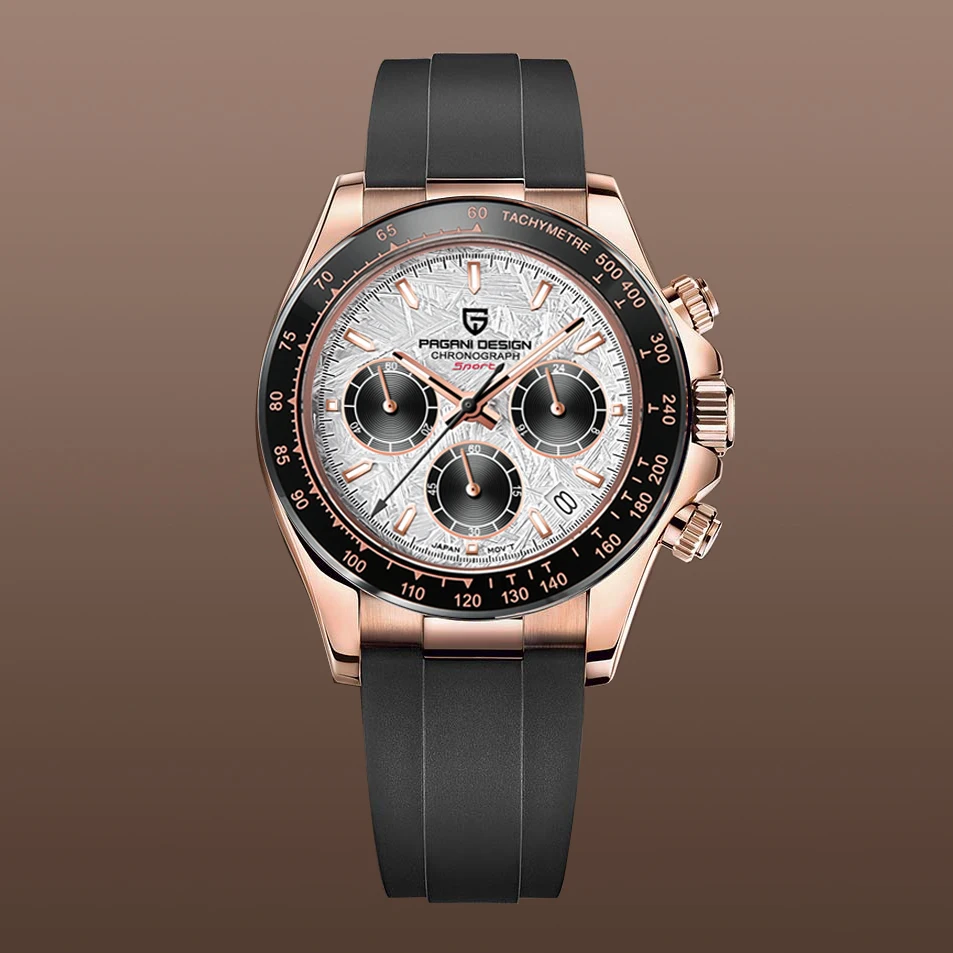
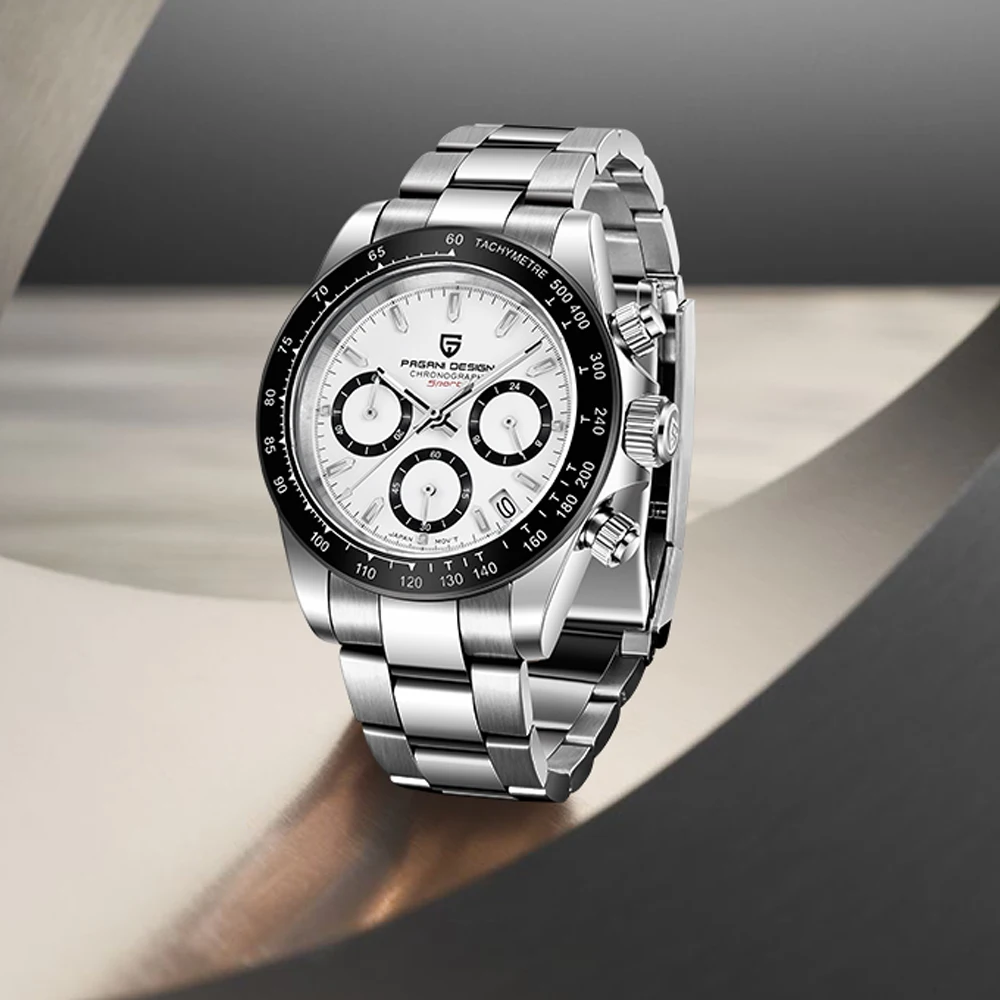
Seiko VK63 Meca-Quartz (e.g. Pagani PD-1701)

Combines quartz timekeeping accuracy (+/- 15 sec/month) with a mechanical chronograph module. When you start the timer, the central seconds hand sweeps smoothly at 5 Hz (1/5th second increments) and resets instantaneously with a heart-piece cam snap. Best for: Daily wear, zero maintenance, and worry-free grab-and-go convenience.

Seagull ST1901 Mechanical (e.g. Sugess 1963)

A 100% mechanical, hand-wound movement utilizing an authentic column wheel to control start, stop, and reset functions. Visible through the exhibition caseback, it offers genuine traditional Swiss-lineage watchmaking. Best for: Mechanical purists who treasure winding their timepiece and inspecting moving gears.

Frequently Asked Questions

What is a meca-quartz movement?
A meca-quartz movement (pioneered by Seiko and Jaeger-LeCoultre) uses a battery and quartz crystal to power the standard hour, minute, and subdial hands, but incorporates a physical mechanical gear train and column-wheel/cam mechanism for the central chronograph timer. This delivers the smooth sweeping seconds and instantaneous snap-back reset of a mechanical chronograph without the high cost.
Is the Seagull ST1901 movement durable?
Yes. The Seagull ST19 is directly based on the Swiss Venus 175 tooling purchased by the Tianjin Watch Factory in the early 1960s to build chronographs for Chinese Air Force pilots. It has been tested and refined for over six decades and is considered one of the most reliable manual-wind chronograph engines in horology.
How does the tachymeter scale on the bezel work?
The tachymeter scale converts elapsed seconds into speed per hour over a known distance. For example: start the chronograph when passing a mile or kilometer marker. When you reach the next marker, stop the timer. If it took 30 seconds, the central hand will point to 120 on the bezel, meaning your speed was 120 mph or km/h.